Iran Nuclear Talks Deadlocked Over $24 Billion as Fears of Wider Conflict Grow
Dispute over frozen Iranian assets emerges as a major obstacle in negotiations, while Tehran warns that renewed hostilities could threaten key global trade and energy routes.
Efforts to secure a diplomatic breakthrough between the United States and Iran have reportedly stalled as negotiations become deadlocked over the release of $24 billion in frozen Iranian assets. The dispute has emerged as one of the most significant obstacles to an interim agreement that both sides have been exploring amid months of military tensions, economic pressure, and regional instability.
According to senior Iranian officials, Tehran views the release of the funds as a critical trust-building measure that would demonstrate Washington’s commitment to a broader diplomatic process. Iranian negotiators are reportedly seeking the release of $12 billion immediately after the signing of an interim agreement, followed by another $12 billion at a later stage. Iranian officials argue that the money represents assets belonging to Iran and should be returned as part of any meaningful effort to improve relations and reduce tensions.
Washington (Finale Monitoring) The Trump administration, however, faces a difficult political and strategic calculation. American officials are reportedly concerned that releasing such a large amount of frozen assets before a final agreement is reached could reduce Washington’s negotiating leverage. The issue has become increasingly sensitive given ongoing debates in the United States over sanctions policy, nuclear negotiations, and the long-term approach toward Iran’s regional activities and missile program.
The deadlock extends beyond financial issues. Negotiators continue to face major disagreements regarding Iran’s nuclear activities, sanctions relief, ballistic missile capabilities, and broader security arrangements across the Middle East. While both sides have expressed interest in avoiding another major military confrontation, significant differences remain over the terms and sequencing of any future agreement. Analysts note that even if an interim deal is eventually reached, many of the core disputes between Washington and Tehran are likely to remain unresolved.
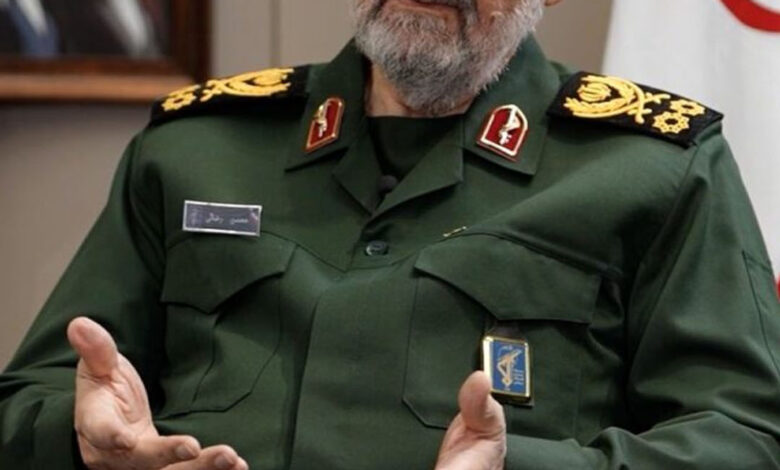
Adding to concerns, senior Iranian officials have warned that a collapse of diplomacy could increase the risk of renewed conflict. Tehran has suggested that any future military confrontation would not be confined to the Persian Gulf and could affect strategic waterways stretching from the Strait of Hormuz to the Indian Ocean, the Bab al-Mandab Strait, the Red Sea, and parts of the Mediterranean. Such warnings have heightened concerns among governments and energy markets because these routes are among the world’s most important corridors for global trade and oil shipments.
The Strait of Hormuz remains particularly important because it serves as a critical transit point for a substantial portion of the world’s oil and liquefied natural gas exports. Any disruption in the region could have far-reaching consequences for energy prices, inflation, shipping costs, and economic stability worldwide. Recent tensions have already contributed to uncertainty in global markets and increased concerns among international investors.
Diplomatic observers believe both Washington and Tehran still have incentives to pursue a negotiated settlement. The United States seeks greater assurances regarding Iran’s nuclear activities and regional behavior, while Iran continues to push for sanctions relief, economic recovery, and access to frozen financial resources. However, the latest disagreement underscores the deep mistrust that continues to shape relations between the two countries decades after the breakdown of previous agreements.
As negotiations remain stalled, attention is increasingly focused on whether both sides can bridge their differences before tensions escalate further. The outcome of the talks could have significant implications for regional stability, global energy markets, international security, and the future of diplomacy in the Middle East. For now, the dispute over frozen assets remains at the center of a high-stakes negotiation that could determine whether the region moves toward de-escalation or faces renewed uncertainty.