House Vote to Rein in War Powers Shows Trump Increasingly Boxed In
Growing bipartisan support for congressional oversight signals mounting pressure on President Trump’s ability to expand military operations without legislative approval.

The U.S. House of Representatives has taken a major step toward reasserting congressional authority over military action, approving measures designed to limit the president’s ability to engage in or expand military operations without explicit approval from Congress.
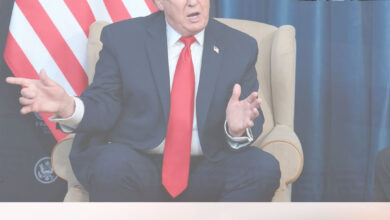
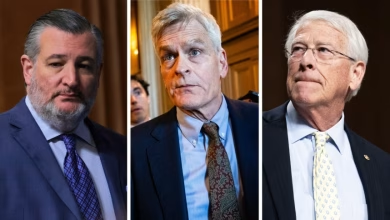
The vote represents a significant political challenge for President Donald Trump, whose administration has faced increasing scrutiny over foreign policy decisions and the use of military force in regions experiencing heightened instability. Lawmakers from both parties have argued that Congress must play a more active role in decisions that could lead the United States into broader conflicts.
Supporters of the measure contend that the U.S. Constitution grants Congress the authority to declare war and that military operations should be subject to greater legislative oversight. They argue that increased transparency and accountability are necessary, particularly during periods of rising global tensions.
The debate has intensified following recent military developments in the Middle East, where concerns over potential escalation have prompted lawmakers to seek stronger checks on executive power. Several members of Congress warned that unchecked military actions could draw the United States into prolonged conflicts without sufficient public debate or legislative approval.
Opponents of the measure argue that restricting presidential authority could limit the nation’s ability to respond quickly to emerging security threats. They maintain that commanders-in-chief require flexibility to protect national interests, respond to attacks, and support allies during times of crisis.
Political analysts view the House vote as evidence that President Trump is facing growing constraints from Congress, even as he continues to defend his administration’s foreign policy agenda. The vote also reflects broader concerns among lawmakers about maintaining the constitutional balance of power between the executive and legislative branches.
While the measure’s future remains uncertain as it moves through the legislative process, the vote sends a clear signal that Congress is increasingly willing to challenge the White House on matters of war, national security, and foreign policy.
The outcome could have significant implications for future military operations, shaping how the United States responds to international crises and redefining the limits of presidential authority in matters of war and peace.
For more breaking news, political analysis, and global affairs coverage, visit www.dailyfinale.com.