From First Lady to President? Keiko Fujimori Seeks Breakthrough in Peru Election
Daughter of former president Alberto Fujimori seeks to overcome decades of political controversy and three previous electoral defeats in a tightly contested race.
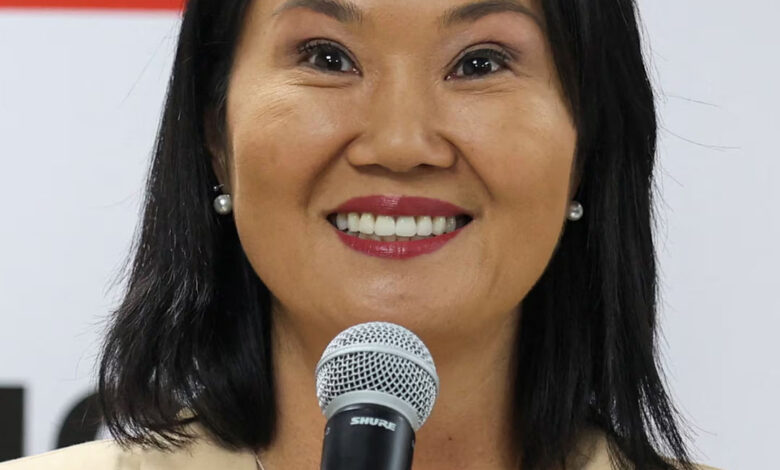
LIMA/LAHORE ( Finale Monitoring) After more than three decades in the public spotlight, Keiko Fujimori stands closer than ever to achieving her long-held ambition of becoming Peru’s president as the country heads into a closely watched run-off election.
The daughter of former Peruvian president Alberto Fujimori first entered national prominence in 1994 when, at just 19 years old, she assumed the role of First Lady following the highly publicized separation of her parents. Since then, she has become one of the most influential and polarizing figures in Peruvian politics.
Over the years, Keiko Fujimori transformed herself from a young political figure into the leader of one of Peru’s most powerful political movements. She has played a central role in shaping the country’s political landscape, building a strong support base and exerting influence across key state institutions.
Despite her political prominence, the presidency has remained out of reach. Fujimori has contested and lost the previous three presidential run-off elections, each time falling short against rivals who often entered the race with less national recognition.
Analysts say her repeated defeats have been driven largely by deep divisions among voters regarding both her political record and the legacy of her father. Supporters credit Alberto Fujimori with stabilizing Peru during a period of economic turmoil and insurgent violence, while critics point to allegations of authoritarianism, corruption, and human rights abuses during his administration.
This year’s election has presented Fujimori with what many observers consider her strongest opportunity yet. Her performance in the first round exceeded expectations, placing her in a competitive position heading into the decisive vote.
However, the race remains highly unpredictable. Her opponent, left-wing candidate Roberto Sanchez, has gained momentum in recent days after moderating elements of his political platform and appealing to undecided voters seeking an alternative to traditional political forces.
The contest reflects broader frustrations among many Peruvians who have witnessed years of political instability, economic challenges, and frequent changes in leadership. For some voters, the election has become a choice between competing visions for the country’s future rather than enthusiastic support for either candidate.
Political observers note that regardless of the outcome, Keiko Fujimori’s influence on Peruvian politics is undeniable. Having remained a dominant political figure for decades, she continues to shape national debates and electoral dynamics in a country that has experienced significant political turbulence.
As Peruvians cast their ballots, the election will determine whether Fujimori can finally secure the presidency after three unsuccessful attempts or whether voters will once again opt for an alternative path.